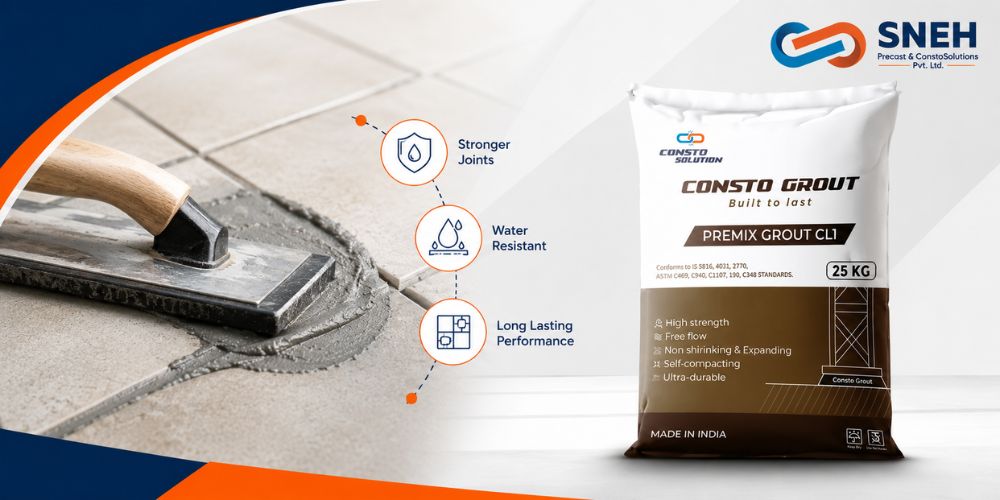
Importance of Grouting in Tile Installation: Benefits, Types & Best Practices
Tile installation is more than just laying tiles and achieving a visually appealing finish. The durability, stability, and long-term performance of any tiled surface depend on every component of the installation system working together. While selecting high-quality tiles and a reliable tile adhesive is essential, one equally important step that is often overlooked is grouting.
Grouting is not merely a finishing touch. It plays a vital role in protecting tile installations from moisture, supporting tile edges, accommodating minor movement, improving hygiene, and enhancing the overall appearance of the surface. Whether it is a residential bathroom, a commercial office, a shopping mall, or an industrial facility, properly grouted tile joints contribute significantly to the lifespan and performance of the installation.
In this article, we'll explore the importance of grouting in tile installation, its key benefits, the different types of grout available, and best practices to achieve a durable, professional finish.
What Is Tile Grouting?
Tile grouting is the process of filling the joints between installed tiles with a specially formulated grout after the tile adhesive has completely cured. These joints are intentionally left during installation to accommodate slight movement caused by temperature changes, moisture, and structural expansion.
Unlike tile adhesive, which secures tiles to the substrate, grout fills and protects the spaces between tiles. It locks the installation together, supports tile edges, prevents dirt and moisture from entering the joints, and creates a neat, uniform finish.
Without proper grouting, even a well-installed tile surface may become vulnerable to movement, water penetration, chipped edges, and premature deterioration.
Why Is Grouting Important in Tile Installation?
Grouting performs several structural and functional roles that directly influence the longevity and reliability of tiled surfaces.
1. Minimises Tile Movement
Tiles naturally expand and contract due to fluctuations in temperature and moisture. Daily foot traffic and structural vibrations also create minor movement over time.
Grout helps absorb these stresses by stabilising the joints between adjacent tiles. This reduces unnecessary movement, preventing loose tiles, cracked joints, and edge damage.
2. Protects Against Moisture Penetration
Bathrooms, kitchens, balconies, swimming pools, and outdoor tiled areas are regularly exposed to moisture. Open or poorly filled joints allow water to seep beneath the tiles, potentially damaging the adhesive layer and substrate.
Proper grouting reduces water ingress, helping protect the installation from mould growth, dampness, tile debonding, and costly repairs.
3. Supports Tile Edges
Tile edges are among the most vulnerable parts of any installation. Without grout, adjacent tiles can rub against one another, increasing the likelihood of chipped corners and cracked edges.
Grout provides edge support and distributes pressure more evenly across the tiled surface.
4. Improves Structural Stability
Grout helps create a unified tiled surface by distributing loads across multiple tiles rather than concentrating pressure on individual pieces.
This is particularly important in commercial buildings, hospitals, educational institutions, retail spaces, and industrial environments where tiled floors are subjected to continuous foot traffic and equipment movement.
5. Enhances Hygiene and Cleanliness
Unfilled tile joints easily collect dust, grease, food particles, bacteria, and other contaminants. Over time, these gaps become difficult to clean and may encourage mould or mildew growth.
Properly grouted joints minimise dirt accumulation, making routine cleaning easier while improving hygiene in kitchens, bathrooms, healthcare facilities, and food preparation areas.
6. Improves the Overall Appearance
Grouting creates clean, consistent joints that enhance the overall look of tiled surfaces. Available in various colours and finishes, grout can either blend seamlessly with the tiles or create a contrasting design feature.
A professionally grouted surface not only looks better but also reflects the quality of the installation.
Benefits of Proper Tile Grouting
|
|
|
|
|
|
|
|
|
|
|
|
|
|
|
|
|
|
|
|
|
|
|
|
|
|
|
What Happens If Tiles Are Not Grouted?
Skipping the grouting process can significantly affect both the appearance and performance of a tiled installation.
Some common problems include:
- Loose or shifting tiles
- Chipped tile edges
- Cracked corners
- Moisture seepage beneath tiles
- Mould and mildew growth
- Dirt accumulation in open joints
- Hollow-sounding tiles
- Premature adhesive failure
- Increased maintenance costs
Even rectified tiles with narrow joints require appropriate grouting to ensure long-term performance and protection.
Tile Adhesive vs Grout
Tile adhesive and grout are often confused, but they serve entirely different purposes within a tile installation system.
|
|
|
|
|
|
|
|
|
|
|
|
|
|
|
|
|
|
For a durable and long-lasting installation, both materials are equally important and should be used together.
Types of Tile Grout
Selecting the right grout depends on the application, joint width, moisture exposure, and expected traffic.
|
|
|
|
|
|
|
|
|
|
|
|
|
|
|
|
|
|
|
|
|
|
|
|
Each grout type is designed to perform under different conditions. Choosing the correct product improves the durability and reliability of the installation.
How to Choose the Right Grout
Several factors should be considered before selecting a grout:
- Type of tile
- Joint width
- Indoor or outdoor application
- Moisture exposure
- Traffic intensity
- Chemical exposure
- Maintenance requirements
- Desired appearance
For high-moisture environments such as bathrooms, swimming pools, and commercial kitchens, polymer-modified or epoxy grout generally offers better long-term performance than conventional cement grout.
Common Grouting Mistakes to Avoid
Even high-quality grout can underperform if not installed correctly.
|
|
|
|
|
|
|
|
|
|
|
|
|
|
|
|
|
|
|
|
|
|
|
|
Careful preparation and proper installation techniques help maximise the effectiveness of the grout.
Best Practices for Long-Lasting Tile Installation
To achieve a durable and professional finish, consider these best practices:
- Use a high-quality tile adhesive suitable for the tile type and substrate.
- Maintain consistent joint spacing during installation.
- Allow the tile adhesive to cure fully before grouting.
- Select the correct grout for the intended application.
- Follow the recommended mixing ratio provided by the manufacturer.
- Apply grout evenly using a rubber float to ensure complete joint filling.
- Remove excess grout before it hardens to achieve a clean finish.
- Allow sufficient curing time before exposing the tiled surface to foot traffic or moisture.
- Seal cement-based grout where recommended to improve stain and moisture resistance.
- Carry out regular cleaning and maintenance to preserve the appearance and performance of the grout.
Following these practices helps reduce maintenance issues and extends the service life of tiled surfaces.
Why Tile Adhesive and Grout Should Work Together
A successful tile installation depends on more than selecting attractive tiles. Tile adhesive and grout perform complementary functions that together create a strong, reliable installation system.
While tile adhesive securely bonds the tiles to the substrate, grout protects the joints, supports tile edges, minimises movement, and helps prevent moisture penetration. Using compatible, high-quality materials for both stages of installation significantly improves durability, stability, and long-term performance.
For residential homes, commercial buildings, and industrial projects alike, investing in quality tile adhesive and grout reduces the likelihood of premature repairs while delivering a professional finish that stands the test of time.
Conclusion
Grouting is far more than a decorative finishing step. It is an essential component of every tile installation that contributes to structural stability, moisture protection, hygiene, durability, and aesthetics. Properly filled tile joints help prevent movement, protect tile edges, reduce maintenance, and improve the overall lifespan of tiled surfaces.
Choosing the right grout, following recommended installation practices, and using high-quality tile installation materials are key to achieving reliable, long-lasting results. Whether you are working on a residential renovation or a large commercial project, proper grouting plays a critical role in ensuring the finished surface performs as intended for years to come.